Liposuction Farmington Hills: Comparing Traditional and Modern Approaches
Body contouring has changed dramatically over the past few decades, but one thing has not changed at all: patients still want honest information. They want to know what liposuction can realistically do, how recovery feels in real life, and whether newer technology is truly better or simply marketed more aggressively. For anyone researching Liposuction Farmington Hills, that distinction matters.
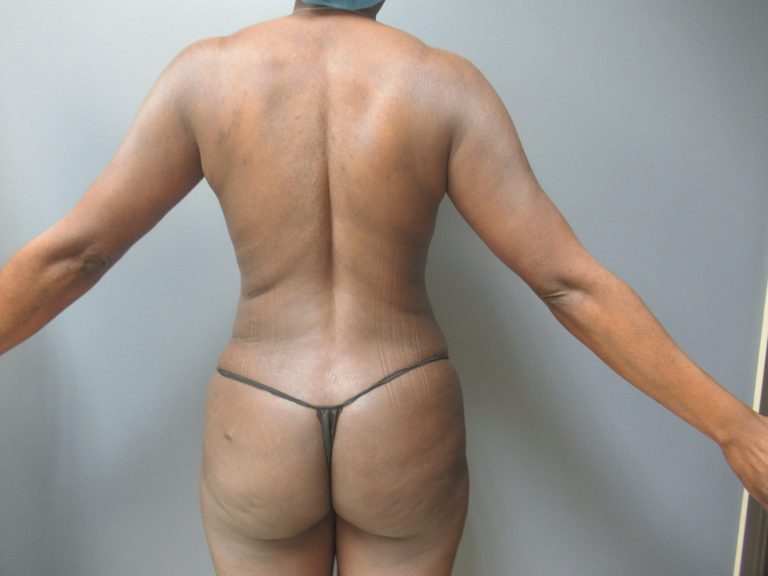
Liposuction remains one of the most frequently discussed cosmetic procedures because it addresses a very specific frustration. A patient may exercise regularly, eat well, and still carry pockets of fat along the abdomen, flanks, thighs, upper arms, chin, or back that do not seem to respond. Liposuction is not a substitute for weight loss, and experienced surgeons are careful about saying that plainly. Its real strength lies in reshaping areas where genetics, hormones, age, and tissue quality influence how the body stores fat.
The debate between traditional and modern liposuction methods can sound more complicated than it is. Underneath the branding and technology names, the central question is simple: how is the fat loosened, removed, and how much control does the surgeon have while doing it? Once you understand that framework, the differences become clearer.
What traditional liposuction actually means
When many people hear "traditional liposuction," they are usually referring to suction-assisted liposuction, often called SAL. This has been a foundational approach for years. In its most familiar form, a surgeon makes very small incisions, places a fluid solution into the treatment area, and then uses a thin cannula connected to suction to remove fat manually.
That description sounds straightforward because it is. In capable hands, traditional liposuction can still produce excellent results. It remains a standard for a reason. A seasoned surgeon can sculpt with precision, especially in larger body areas such as the abdomen, flanks, hips, and thighs. There is no inherent rule that older technology means worse outcomes. Technique, judgment, and patient selection still matter more than the label attached to a machine.
Traditional methods often rely heavily on what surgeons call tactile feedback. That means the surgeon can feel the tissue planes, resistance, and contour changes as fat is removed. Many highly respected surgeons value that direct physical control because it allows them to adjust in real time based on tissue thickness, asymmetry, and skin quality. This is one reason some patients are surprised to learn that an experienced surgeon may recommend a "classic" technique even when modern device-based options are available.
Of course, traditional liposuction has trade-offs. Depending on the area treated and the amount of fat removed, swelling and bruising can be significant. Recovery may feel more physically demanding in the first week or two. Some patients describe soreness similar to an intense full-body workout layered with bruised tenderness. That does not mean the procedure is unsafe or outdated, but it does mean expectations should be realistic.
How modern liposuction evolved
Modern liposuction techniques were developed to improve one or more parts of the process. Some aim to make fat removal gentler. Others focus on reducing blood loss, improving precision in fibrous areas, or tightening skin to a degree. In practice, "modern liposuction" is an umbrella term, not a single procedure.
The most commonly discussed modern approaches include tumescent liposuction, power-assisted liposuction, ultrasound-assisted liposuction, and laser-assisted liposuction. Tumescent technique, in particular, is so widely used that many people no longer think of it as modern, but it transformed the field. By infusing a large volume of diluted anesthetic and epinephrine into the treatment area, surgeons can reduce bleeding, improve comfort, and make fat removal more controlled.
Power-assisted liposuction uses a cannula that vibrates rapidly. That movement helps break apart fat cells with less manual force. Surgeons often appreciate this in denser or more fibrous areas, including the upper back, male chest, or regions that have been treated before. Ultrasound-assisted methods use sound energy to emulsify fat before removal, which can be helpful in selected cases. Laser-assisted systems use heat to liquefy fat and may offer some degree of skin contraction, though claims about skin tightening should always be discussed carefully and in context.
The key point is that modern methods do not replace surgical judgment. They are tools. A tool can improve efficiency or precision, but it does not erase the need for anatomical knowledge, artistic sense, and restraint.
The first practical difference: how the tissue is handled
Patients often focus on incision size or machine names, but one of the most meaningful differences between traditional and modern approaches is how the tissue is treated during fat removal.
With traditional suction-assisted liposuction, the surgeon physically breaks up and extracts fat with the cannula. With power, ultrasound, or laser assistance, some of that work is aided by energy or motion before the fat is suctioned out. That can matter in dense tissue, in revision cases, and in areas where finer contouring is needed.
From a patient perspective, gentler tissue handling may translate to less trauma, potentially less bruising, and sometimes a smoother early recovery. But "may" is the important word. Recovery is influenced by far more than the machine used. The amount of fat removed, the number of areas treated, whether additional procedures are performed at the same time, the patient’s baseline health, and even how faithfully compression garments are worn all affect how recovery unfolds.
It is not unusual for two patients to have the same technology used on similar areas and describe very different recoveries. One may feel ready to work remotely within a few days. Another may feel swollen, stiff, and fatigued for two weeks. That is normal variability, not necessarily a sign that anything went wrong.
The role of anesthesia and setting
Another major difference between traditional and modern approaches is not always the Liposuction Farmington HIlls liposuction technique itself, but where and how the procedure is performed.
Some liposuction can be done under local anesthesia, especially when smaller areas are treated using tumescent techniques. Other cases are better suited to IV sedation or general anesthesia, particularly if multiple areas are being sculpted or if patient comfort would otherwise be compromised. A chin or small arm treatment may be a very different experience from circumferential abdomen and flank contouring.
For patients exploring Liposuction Farmington Hills options, this is one of the most useful topics to raise at consultation. Ask whether the procedure is usually done in-office, in an accredited surgical suite, or at a hospital-based facility. Ask what kind of anesthesia is recommended and why. A thoughtful answer tells you far more than a glossy brochure ever will.
In many practices, the best technique is chosen partly based on setting. A modest area treated under local anesthesia may benefit from one approach, while a larger body contouring plan may call for another. Good care is individualized. That is what you want.
Does newer technology mean better results?
Not automatically. This is where marketing can blur reality.
Results depend on several factors working together: how accurately the surgeon identifies the right candidate, how well the treatment plan matches that patient’s anatomy, how carefully the fat is removed, and whether the skin has enough elasticity to contract afterward. Modern devices can support those goals, but they do not guarantee them.
A common real-world example is the patient in their late 20s or early 30s with good skin tone, stable weight, and localized fullness in the lower abdomen and flanks. That patient may do very well with either a traditional or a modern approach because the skin is likely to retract well and the target is mostly excess fat. Contrast that with a patient in their late 40s or 50s after pregnancies or major weight change. In that setting, the problem may involve loose skin, muscle separation, and fat distribution together. Liposuction alone, no matter how advanced the device, may not solve the whole issue.
That is one of the most important truths in body contouring. Technology can improve execution, but it cannot rewrite anatomy.
Where modern approaches may offer an advantage
There are cases where modern methods can be especially useful. Fibrous tissue is one example. Male chest contouring, upper back fullness, and revision liposuction can all be more challenging than a straightforward abdominal case. Power-assisted or ultrasound-assisted techniques may help the surgeon work more efficiently and with better control.
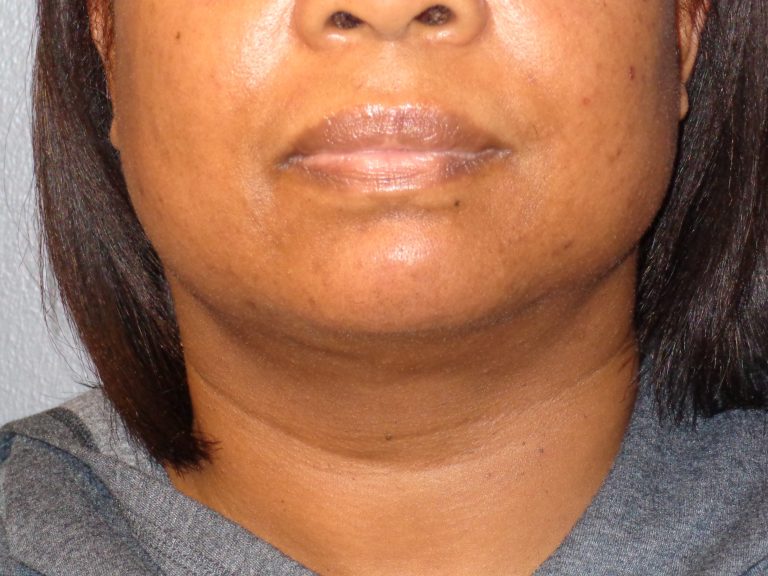
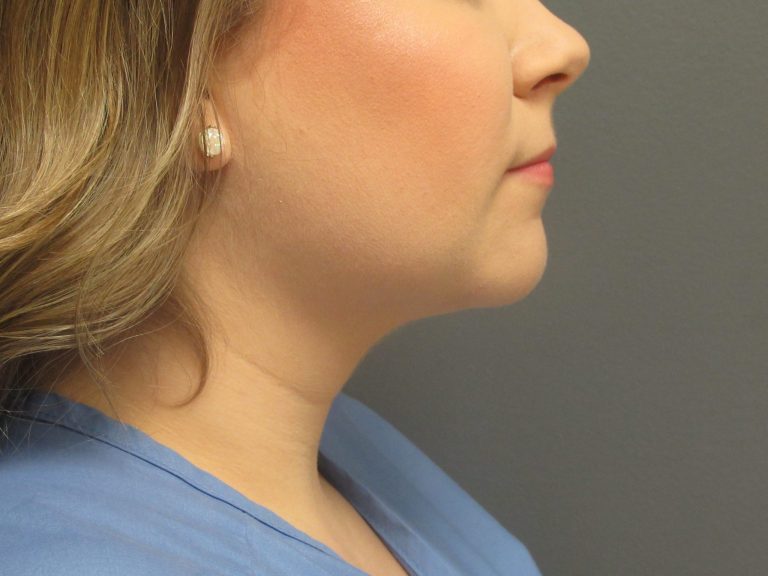
Small, delicate areas can also benefit from technology-assisted precision, though the surgeon’s experience remains central. The neck and jawline are often mentioned here. Tiny contour changes are more visible in the face and neck than in the waist or thighs, so subtlety matters.
Then there is the question of skin tightening. Some modern systems incorporate energy designed to stimulate tissue contraction. This can be appealing, especially to patients with mild skin laxity who are not ready for a more invasive excisional procedure. The benefit is real in some patients, but it has limits. Mild to moderate improvement is a more realistic expectation than dramatic tightening. If skin excess is pronounced, no amount of liposuction technology will replicate what surgery that removes skin can accomplish.
Where traditional liposuction still holds its ground
Traditional liposuction continues to be highly effective for broader debulking and contour reshaping, particularly when the surgeon has extensive experience with it. In larger zones, simplicity can be a strength. Fewer moving parts, predictable tissue response, and direct manual control still appeal to many surgeons.
There is also a practical cost discussion here. Modern devices can increase procedural expense. Sometimes that cost is justified by the clinical benefits in a specific case. Sometimes the difference in outcome for that patient may be modest. A good consultation should be able to explain where the added value truly lies.
This is one area where experienced patients, and especially revision patients, tend to become more discerning. They are less impressed by a branded device name and more interested in before-and-after examples that resemble their own body type. That is the right instinct.
Recovery in real life, not brochure language
Recovery is where expectations need to be grounded. Most patients are prepared for swelling. Fewer are prepared for how long subtle swelling can linger. Even when early bruising resolves in a couple of weeks, contour refinement may continue for several months.
Compression garments are not glamorous, but they matter. They help control swelling, support tissues as they heal, and can improve comfort during movement. Early walking is usually encouraged to keep circulation moving, but strenuous workouts generally need to wait until the surgeon clears them. If liposuction is combined with another procedure, recovery becomes more involved.
A few realities patients often appreciate hearing ahead of time are worth stating plainly:
- The first week usually looks worse before it looks better.
- Numbness, firmness, and temporary uneven swelling are common early on.
- Final shape often develops gradually over eight to twelve weeks, sometimes longer.
- Tiny asymmetries can exist even after excellent surgery because natural bodies are not perfectly symmetrical.
- Weight gain after liposuction can still affect results, even though treated fat cells have been reduced.
That list may sound cautious, but it actually protects patient satisfaction. The happiest patients are rarely the ones promised perfection. They are the ones who understand the process and see their recovery as a progression rather than a single reveal.
Matching the approach to the patient
The best consultations tend to feel less like a sales pitch and more like a planning session. The surgeon studies the distribution of fat, pinches the skin to assess elasticity, asks about weight history, pregnancies, prior procedures, medications, and how the patient heals. Then the recommendation takes shape.
A younger patient with isolated flank fullness and good skin may be an excellent candidate for straightforward liposuction with a relatively simple recovery. A patient with upper abdominal fullness, moderate skin laxity, and old scar tissue from prior surgery may need a more tailored method. Someone seeking neck refinement may benefit from a different strategy entirely than someone wanting circumferential trunk contouring.
This is why comparisons between traditional and modern approaches should never become abstract debates. The right question is not "Which one is best?" But "Which one is best for this Liposuction Farmington HIlls body, this goal, and this healing profile?"
Questions worth asking at a consultation
For anyone comparing Liposuction Farmington Hills providers, a consultation becomes far more useful when the conversation gets specific. General promises are easy. Specific reasoning is more revealing.
Here are a few questions that tend to lead to better answers:
- Which liposuction technique do you recommend for my anatomy, and why?
- How much improvement is realistic in my case, especially regarding skin tightening?
- Where will swelling and bruising likely be most noticeable, and for how long?
- If I have mild skin laxity, would liposuction alone be enough?
- How often do you perform this exact type of case?
Notice that none of these questions ask for the "newest" treatment. They ask for fit, realism, and experience. That is usually where the best decisions come from.
Cost, value, and the temptation to shop by headline
Liposuction pricing varies for understandable reasons. The treatment area, time in surgery, anesthesia type, facility fees, garment costs, and postoperative care all affect the total. Modern device-assisted techniques may cost more because the equipment itself is expensive and may increase case complexity or operating costs.
Patients naturally want value, but value in cosmetic surgery is not the same as finding the lowest quote. An aggressively discounted procedure can become very expensive if the result requires revision. Conversely, the highest price in the market does not automatically mean the best result. What matters is whether the treatment plan is appropriate and whether the surgeon can explain the rationale clearly.
The most reliable way to assess value is to weigh expertise, safety standards, before-and-after consistency, and whether the recommendation fits your anatomy instead of a generic package.
The subtle issue of over-treatment
One of the less discussed differences between good and poor liposuction is not the technology, but restraint. Removing too little fat can leave a patient disappointed. Removing too much can create hollows, waviness, or an artificial appearance that is much harder to fix.
Modern tools may allow finer control, but they also require judgment about when to stop. This is particularly important in the outer thighs, hips, and abdomen, where aggressive removal can disturb natural contours. A well-sculpted result usually looks unremarkable in the best sense. Clothes fit better. The waistline reads cleaner. The body appears more balanced. The person does not look "done." That understated result is often the mark of experience.
What local patients should keep in mind
When searching for Liposuction Farmington Hills, local convenience matters, but it should not be the only factor. Follow-up visits are easier when the practice is nearby, and that does count for something. Recovery is smoother when postoperative care is accessible. Still, the decision should rest more heavily on case experience, communication style, and whether the surgeon gives nuanced recommendations instead of one-size-fits-all answers.
In a suburban market, practices may offer overlapping services but approach body contouring quite differently. One surgeon may strongly favor traditional suction-assisted methods for larger areas. Another may routinely use power-assisted devices. Another may combine liposuction with skin-tightening technology in select patients. None of those choices is inherently superior without context. The quality lies in matching the method to the case.
That is why consultations are so revealing. You can often tell within twenty minutes whether a practice is trying to fit you into a system or thoughtfully building a plan around your anatomy.
The bottom line on traditional versus modern methods
Traditional liposuction still earns its place because it works, especially in skilled hands. Modern approaches have expanded the surgeon’s toolkit and can offer important advantages in comfort, efficiency, precision, and selected cases of mild tissue tightening. Neither category should be treated like a magic answer.
For most patients, the decisive factors are not branding terms or technology buzz. They are candid assessment, an appropriate treatment plan, surgical skill, and realistic expectations about healing. The best liposuction results come from that combination, whether the cannula is guided by classic technique, powered motion, sound energy, or laser assistance.
If you are evaluating Liposuction Farmington Hills options, look for a surgeon who can explain not only what they recommend, but what they would avoid in your case and why. That kind of specificity usually signals mature judgment. In body contouring, mature judgment is often the difference between a merely acceptable result and one that feels naturally, quietly right.
Aesthetic Plastic Surgery & Laser Center, Michelle Hardaway M.D.
27920 Orchard Lake Rd
Farmington Hills, MI 48334
(248) 221-1957
FAQ About Liposuction Farmington Hills
What disqualifies you from getting liposuction in Farmington Hills?
A surgeon may recommend postponing or avoiding liposuction if a health condition, medication, or nicotine use raises the risk of surgery or poor healing. A consultation is needed to assess your medical history and whether the procedure fits your goals.
Can liposuction remove 20 pounds?
Liposuction is a body contouring procedure for localized fat. It is not a weight loss treatment, and a specific number of pounds is not a safe or useful target. The surgeon determines how much can be removed safely for each patient.
What are the risks of liposuction?
Risks include infection, changes in sensation, uneven contours, and complications from anesthesia or blood clots. A plastic surgeon can explain which risks apply to you and what to expect during recovery.