Liposuction Farmington Hills: 100 Questions to Ask Before You Book
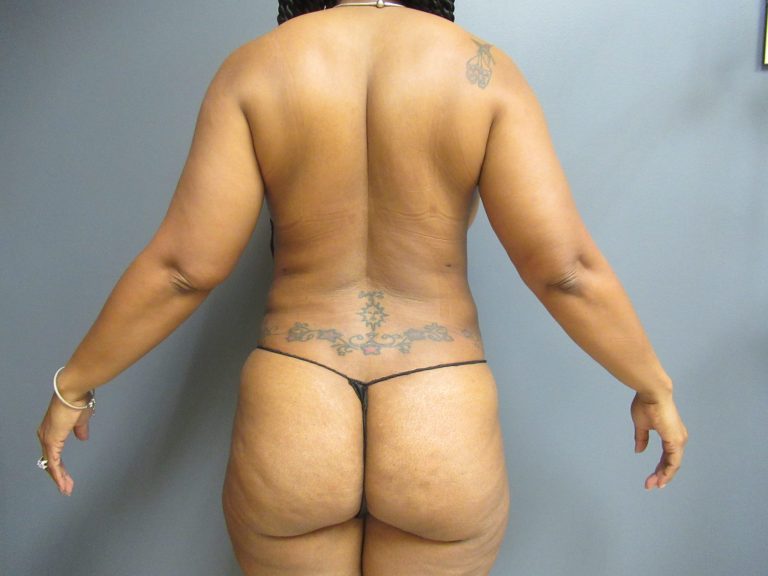
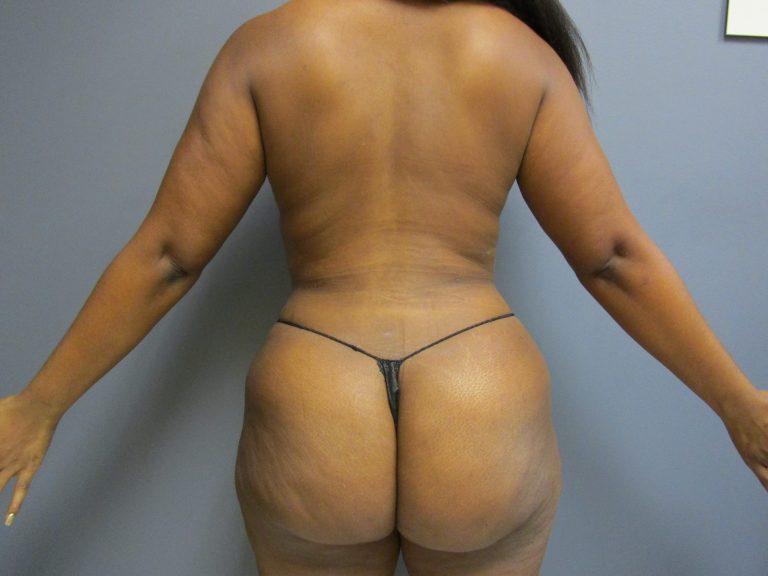
Booking a liposuction consultation can feel deceptively simple. A quick search, a few before-and-after photos, a phone call, maybe a deposit, and suddenly you are moving toward surgery. The problem is that liposuction is not a haircut or a facial. It is a real surgical procedure, with real recovery time, real costs, and outcomes that depend heavily on judgment, technique, and the match between your goals and your anatomy.
That is why the smartest patients do not start by asking, “How soon can I get in?” They start by asking better questions.
If you are researching Liposuction Farmington Hills, this guide is built to help you separate polished marketing from solid decision-making. Not every question needs to be asked in the same tone, and not every answer should be accepted at face value. Some answers should reassure you. Some should make you pause. Some should prompt a follow-up. The point is not to interrogate a surgeon. The point is to understand what you are buying, what your body can realistically deliver, and whether the person holding the cannula is someone you trust.
Start with the surgeon, not the sale
Patients often lead with price because cost feels concrete. The more important issue is who is actually performing your surgery and whether that person does this often enough to be excellent at it.
Ask who will perform the liposuction from start to finish. Is it the surgeon you met, or are parts of the case delegated more heavily than you expected? Ask how many liposuction procedures the surgeon performs in a typical month and how often they treat the exact area you want addressed, whether that is abdomen, flanks, chin, arms, thighs, or male chest. Ask what type of patients they treat most often. A surgeon who routinely shapes athletic midsections may approach your case differently than one who often treats post-pregnancy contour changes or revision cases.
You should also ask about credentials, but do it in a practical way. Is the surgeon board certified in a relevant surgical specialty? Where do they operate? Is the procedure done in an accredited surgical facility or office-based setting that meets accepted safety standards? Who provides anesthesia, and what are that person’s credentials? If the surgeon becomes vague, defensive, or rushed when you ask these basics, treat that reaction as information.
A useful question that many patients forget is, “What kind of liposuction cases do you decline?” Experienced surgeons say no all the time. They decline unrealistic expectations, patients who are medically poor candidates, and cases where skin quality will not support a strong result. If a practice seems willing to operate on everybody, that is not flexibility. It may be poor screening.
Ask how often they perform revision liposuction and how they think about irregularities, asymmetry, or residual fullness after a first surgery. Revision work tends to be harder than primary liposuction. A surgeon who understands that complexity usually speaks with more nuance about planning and healing.
Ask whether you are a good candidate, not just a willing one
A lot of disappointment starts here. Liposuction removes fat. It does not automatically tighten loose skin, repair separated abdominal muscles, erase cellulite, or create a body shape your frame cannot support. Good candidates usually have localized fat deposits, relatively stable weight, and skin with enough elasticity to contract after fat removal. That is the broad idea, but your consult should get more specific.
Ask, “Am I a good candidate for liposuction, or am I better suited for another procedure?” If you have skin laxity in the lower abdomen, ask whether liposuction alone might leave you looser. If your concern is more about overhanging skin after weight loss, ask whether a tummy tuck or body lift would address the actual problem better. If your upper arms bother you, ask whether liposuction would help, or whether arm skin quality is the limiting factor.
You should also ask how your age, skin thickness, prior pregnancies, weight fluctuations, scarring history, and medical conditions affect your likely result. If you have had prior abdominal surgery, ask how scar tissue might change the plan. If you are close to a major weight-loss goal, ask whether it makes more sense to wait. A patient who is twenty pounds from their target often gets better long-term value by stabilizing weight first.
One of the most honest and useful questions is, “What result do you think I can realistically expect from my starting point?” Not “Can you make me look like this photo?” Bring inspiration if you want, but ask what is feasible on your body. A seasoned surgeon will translate aesthetic goals into anatomy. They may say your waist can become more defined, but your rib cage width will not change. They may say your under-chin fullness can improve a great deal, but skin retraction is the swing factor. That kind of specificity is exactly what you want.
Questions that reveal whether the plan is thoughtful
A good consult should feel less like ordering a menu item and more like building a treatment plan. The questions here separate template medicine from individualized care.
Ask which areas the surgeon recommends treating and why. If you came in focused on lower abdomen, ask whether flanks should also be addressed for balance. If you only treat one zone and ignore the surrounding transition areas, the result can look unfinished. At the same time, more areas are not always better. Ask what should not be treated aggressively. Over-resection can create hollows, ridges, and that unmistakable operated look.
Ask how much fat the surgeon expects to remove, but do not obsess over the exact number. Volume alone does not equal a better result. Body contouring is about shape, not bragging rights. A carefully performed smaller-volume procedure can look far better than a high-volume case done without restraint. Ask where contouring, feathering, and blending are most important in your case. That is where artistic judgment shows up.
Technique matters, but not in the simplistic marketing sense. Many patients come in asking whether one branded method is “better” than another. Instead, ask, “What technique do you use in cases like mine, and why?” If the answer involves tumescent liposuction, power-assisted liposuction, ultrasound-assisted liposuction, laser-assisted liposuction, or a combination, ask how that choice affects swelling, precision, skin retraction, operating time, and recovery. The best method often depends more on the surgeon’s experience and your anatomy than on a trendy machine name.
Ask whether the surgeon expects your skin to contract on its own or whether additional skin tightening might be discussed. Ask if there are limits to how much improvement is reasonable in a single procedure. If you want dramatic inner thigh change and your skin is borderline, ask whether they would rather underpromise than overremove. Cautious planning is not a lack of confidence. It is often the mark of a better surgeon.
Safety questions that should never feel awkward
If a practice makes you feel rude for asking about safety, walk away. These are baseline questions.
Ask what anesthesia is planned and why. Will you be awake with local anesthesia, sedated, or under general anesthesia? Ask what the risks are for your health history. Ask whether you need lab work, medical clearance, or medication adjustments before surgery. If you take blood thinners, supplements, injectable weight-loss medications, hormones, or nicotine in any form, ask exactly how those affect timing and risk.
Ask about the practice’s protocol for blood clots, infection prevention, fluid management, and emergency transfer if needed. Ask who monitors you during surgery. Ask whether they use compression devices during the procedure. Ask how pain is typically managed and whether narcotics are always necessary. Ask what symptoms after surgery require immediate contact or urgent evaluation.
Patients are sometimes shy about asking complication rates because they worry it sounds accusatory. Ask anyway, but ask intelligently. “What complications do you counsel patients about most often in this procedure, and how do you reduce those risks?” That tends to produce a more useful answer than “Have you ever had a complication?” Every surgeon who has operated long enough has managed complications. What matters is whether they identify risk early, respond appropriately, and discuss it openly.
The financial side, where many misunderstandings begin
Cosmetic surgery quotes can be hard to compare because one office bundles everything and another does not. A lower sticker price is meaningless if it excludes anesthesia, garments, follow-up care, facility fees, or revision policies.
Ask for a written quote and ask what it includes. Does it cover surgeon’s fees, anesthesia, facility costs, pre-op visits, post-op visits, garments, medications, lymphatic massage if recommended, and touch-up policy if one exists? Ask what would generate extra charges. If surgery takes longer than planned, does that change the cost? If you add an area after the consultation, how is that priced? If you need revision, under what circumstances are any fees waived, reduced, or fully charged again?
You should also ask about cancellation policies and how deposits are handled. Practices vary a lot here. Some deposits are transferable, some are partially refundable, and some are not refundable at all after a certain date. Ask before you hand over a card.
There is nothing wrong with being budget-conscious. Plenty of thoughtful patients compare consultations. The key is understanding what you are comparing. A more experienced surgeon in Farmington Hills may quote more because their planning, operating environment, follow-up, and Liposuction Farmington HIlls revision judgment are stronger. A bargain case that leaves dents, asymmetry, or loose skin can become the most expensive option of all.
Before-and-after photos, read them like a professional
Most patients glance at photos and focus on whether the after image looks attractive. You should look harder than that. Ask to see patients with body types close to yours, not only the best transformations in the office. If you are concerned about lower abdomen after children, ask to see that. If you want submental liposuction under the chin, ask for examples with similar skin quality and jawline structure. If you carry weight in the outer thighs or upper back, ask for those specifically.
Ask how long after surgery the after photos were taken. A six-week result is not the same as a six-month result. Early swelling can Liposuction Farmington HIlls hide shape. Lighting, posture, tan, and camera angle matter more than many people realize. Ask whether the results shown are from liposuction alone or combined with another procedure. A flatter abdomen after lipo plus abdominoplasty is not a fair comparison for lipo-only expectations.
Pay attention to the in-between zones. Are transitions smooth at the waist, hips, and bra line? Do the contours look natural from the side, not only the front? Is there evidence of over-suction, sharp lines, or patchy texture? The best before-and-after galleries do not just show reduction. They show restraint.
Recovery questions that affect real life
A patient can be medically cleared, financially ready, and still poorly prepared for recovery. That is where frustration creeps in.
Ask what the first seventy-two hours usually feel like. Some areas are sorer than others. Abdomen and flanks often feel tight and bruised. Arms can make simple tasks surprisingly annoying. Chin liposuction may be easier functionally but more socially visible if you wear a compression wrap. Ask when you can shower, drive, return to desk work, lift children, do laundry, sleep on your side, work out, travel, and attend events where you do not want to look puffy.
Compression garments deserve more discussion than they usually get. Ask how long you need to wear them, whether continuously or part-time after the first phase, and what fit issues to watch for. A garment that is too loose does not support well. Too tight can be miserable and sometimes counterproductive. Ask how many garments you need, because one in the wash and one on your body is often more practical than one alone.
Swelling is the recovery topic patients underestimate most. Ask how long swelling usually lasts in your treatment areas and when you can reasonably judge your result. Some people look improved early and then seem puffier before gradually refining. That does not mean the surgery failed. It means tissues heal on their own schedule. Ask when numbness is expected, when firmness or lumpiness is common, and what type of massage or movement is recommended, if any.
Here are five recovery questions worth writing down before your consultation:
- When can I safely return to work, exercise, and lifting?
- How long should I expect visible swelling and bruising?
- What level of drainage, numbness, or firmness is normal?
- When should I call you instead of waiting it out?
- What can I do that genuinely improves healing, and what is just internet noise?
Questions about results, permanence, and maintenance
Liposuction removes fat cells from treated areas, but it does not freeze your body in time. That is the distinction patients need to understand. Ask whether fat reduction in the treated area is permanent, and ask how future weight gain typically distributes. In plain terms, if you gain a modest amount of weight after surgery, you can still gain in treated and untreated areas, though the pattern may shift. If you gain a lot, the aesthetic benefit narrows quickly.
Ask how much your final look depends on maintaining stable weight. Ask whether muscle tone, posture, and skin quality will play a visible role in the end result. A patient with excellent core tone and stable habits often shows contour more clearly than a patient with the same amount of fat removed but weak support structures and frequent weight fluctuation.
Ask what “final result” means in your surgeon’s timeline. For smaller areas, meaningful improvement may be clear sooner. For abdomen, flanks, thighs, or multiple areas, refinement can take months. If you have a wedding, vacation, reunion, or professional event, discuss that honestly. I have seen patients book summer surgery in late spring and then panic when swelling lingers into July. Timing matters.
Red flags that should make you slow down
Most bad outcomes do not begin with one dramatic mistake. They begin with a chain of little warnings the patient talked themselves out of noticing. A consult where the surgeon barely examines you. A coordinator who pushes a deposit before your questions are answered. A practice that promises skin tightening, dramatic weight loss, and “no downtime” in the same breath. A gallery full of filtered photos. A quote that seems too low to make sense.
Use this short filter if something feels off:
- You feel rushed, flattered, or pressured instead of informed.
- Your anatomy and skin quality are not discussed in detail.
- Risks, trade-offs, and limitations are minimized.
- The quote is vague or missing major cost categories.
- The office cannot clearly explain who does what on surgery day.
The best consults have a calm, matter-of-fact quality. They do not oversell. They explain. They answer. They also leave room for “not yet” or “not this procedure.”
If you are comparing practices in Farmington Hills
Local convenience matters more than people think. Post-op visits are easier when the office is nearby. So is getting checked quickly if swelling looks asymmetric or a garment is rubbing in the wrong place. If you are specifically considering Liposuction Farmington Hills, ask how follow-up care is handled after hours, on weekends, and during the first week when questions tend to spike.
Also ask whether the practice treats many local patients with your goals. Farmington Hills is diverse, and body contour priorities vary widely. Some patients want subtle waist shaping that no one else notices. Some want more athletic definition. Some care less about dramatic change and more about fitting clothes without bunching at the midsection or outer thighs. A good surgeon listens for your version of success rather than imposing their favorite aesthetic.
Do not underestimate office culture. The best surgical practices often have coordinators and nurses who are direct without being cold. They know how to explain garment issues, fluid leakage, scar care, and the emotional ups and downs that can happen when swelling distorts expectations. A polished lobby means very little. Competent follow-up means a lot.
The full set of 100 questions to ask before you book
You do not need to ask all one hundred in a single sitting, but having them organized helps you think clearly. Some belong to your first consultation. Some come up once surgery is scheduled. Some you may answer yourself from the practice’s written materials, if those materials are thorough.
Ask these questions and listen as carefully to the style of the answer as to the content.
What procedure do you think actually matches my concerns?
Am I a good candidate for liposuction? What makes me a strong or weak candidate? Would another procedure serve me better? What result is realistic on my body? What limitations do you see right away? Which areas should be treated for balance? Which areas should not be treated aggressively? How much improvement do you expect in my specific case? What could keep me from getting the result I want?How often do you perform liposuction?
How often do you treat this exact area? Are you board certified in a relevant specialty? Who will perform each part of the surgery? Who provides anesthesia? Where will surgery take place? Is the facility accredited? What type of cases do you decline? How often do you perform revision liposuction? How do you approach asymmetry and contour irregularities?What technique do you recommend for me?
Why do you prefer that technique in my case? How does that method affect swelling and recovery? How does it affect skin contraction? Will power-assisted or another method be used? Do you expect good skin retraction in my treated area? Would skin tightening be needed or discussed? How do you avoid over-resection? How do you create smooth transitions between treated and untreated zones? How much fat do you estimate removing?Will I need labs or medical clearance?
Do my medications need to change before surgery? What about supplements, nicotine, or alcohol? How do injectable weight-loss medications affect timing? What are the biggest risks in my case? How do you reduce clot risk? How do you reduce infection risk? How is fluid balance managed? Who monitors me throughout the procedure? What happens if there is an emergency?What kind of anesthesia is planned?
Why is that level of anesthesia appropriate? Will I be awake, sedated, or asleep? How long will surgery likely take? How long will I stay after surgery? Do I need someone with me overnight? What level of pain is typical? How is pain usually controlled? What symptoms after surgery require urgent contact? How available is your team after hours?Can I see before-and-after photos like my case?
How long after surgery were those photos taken? Are those results from liposuction alone? Do you have photos from side and oblique angles? What signs of a good result should I focus on? What common photo tricks should I be aware of? Can you show me average outcomes, not only your best ones? What kind of scarring should I expect from the incisions? Where will the incisions likely be placed? How visible are they usually after healing?What will the first few days feel like?
How much drainage is normal? When can I shower? When can I drive? When can I return to desk work? When can I return to physical work? When can I exercise? When can I lift children or heavy objects? How long will I wear compression? How many garments should I buy?How long should I expect bruising?
How long should I expect swelling? When does swelling peak? When do patients usually start feeling more normal? When can I judge my early result? When can I judge my final result? Is lumpiness or firmness expected? Will I be numb, and for how long? Do you recommend massage or lymphatic therapy? What can I do to help healing go well?What happens if I do not heal symmetrically?
How long do you wait before considering revision? What issues improve on their own with time? What issues usually do not? How often do patients need touch-ups? If I need revision, what costs might apply? What is your philosophy on undercorrecting versus aggressive removal? Can liposuction worsen loose skin in my case? Could I look boxy, hollow, or uneven if too much is removed? How do you plan to avoid that outcome?What is the full quoted price?
What exactly does that price include? Are anesthesia and facility fees included? Are garments and medications included? Are follow-up visits included? What might increase the cost later? What is the deposit and cancellation policy? Do you offer financing, and through whom? If I decide not to proceed, what fees are nonrefundable? What should make me feel confident enough to book with you?The answer behind all the questions
You are not looking for perfect guarantees, because those do not exist in surgery. You are looking for evidence of judgment. You want a surgeon who can tell when liposuction will shine, when it will only partly help, and when it is the wrong tool entirely. You want a practice that treats your questions as part of good care, not as friction in the sales process. You want pricing that is clear, recovery guidance that is specific, and a plan that fits your body rather than a package they sell every week.
Patients often think confidence comes from hearing “yes” quickly. In cosmetic surgery, confidence usually comes from hearing a thoughtful “here is what I would do, here is what I would not do, and here is why.” If you are exploring Liposuction Farmington Hills, that is the standard worth holding. It will save you money, stress, and quite possibly the need to fix a result that should have been planned better the first time.
Aesthetic Plastic Surgery & Laser Center, Michelle Hardaway M.D.
27920 Orchard Lake Rd
Farmington Hills, MI 48334
(248) 221-1957
FAQ About Liposuction Farmington Hills
What disqualifies you from getting liposuction in Farmington Hills?
A surgeon may recommend postponing or avoiding liposuction if a health condition, medication, or nicotine use raises the risk of surgery or poor healing. A consultation is needed to assess your medical history and whether the procedure fits your goals.
Can liposuction remove 20 pounds?
Liposuction is a body contouring procedure for localized fat. It is not a weight loss treatment, and a specific number of pounds is not a safe or useful target. The surgeon determines how much can be removed safely for each patient.
What are the risks of liposuction?
Risks include infection, changes in sensation, uneven contours, and complications from anesthesia or blood clots. A plastic surgeon can explain which risks apply to you and what to expect during recovery.