How Hydration Can Help After Liposuction Farmington Hills
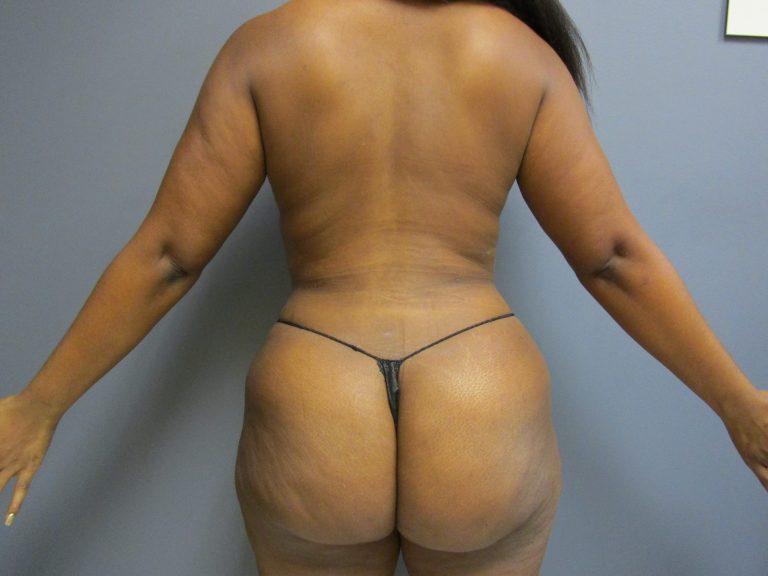
Liposuction recovery is often discussed in terms of swelling, bruising, compression garments, and time away from work. Hydration deserves a place in that same conversation. It is not a glamorous part of recovery, and it does not get the same attention as before-and-after photos, but it affects how people feel in the first days after surgery and how steadily they progress in the weeks that follow.
Patients considering or recovering from Liposuction Farmington Hills procedures usually want to know what they can actively do to support healing. Good hydration is one of the simplest answers, but it helps to understand why. Water is not a magic cure. It will not erase swelling overnight or replace the surgeon’s instructions. What it can do is support circulation, help the body regulate fluid shifts, improve comfort, and reduce some of the avoidable strain that follows surgery.
That matters because liposuction is not just a cosmetic event. It is still surgery. Even when the incisions are small and the procedure is outpatient, the body responds with inflammation, tissue repair, and changes in fluid balance. Patients often notice that what surprises them most is not necessarily pain, but a sense of heaviness, puffiness, fatigue, and tightness. Hydration can influence all of those in practical ways.
Recovery starts with fluid balance
After liposuction, the body enters a recovery mode that depends on well-coordinated circulation. Blood carries oxygen and nutrients to healing tissues. The lymphatic system helps move waste products and excess fluid away from areas that were treated. Hormones shift. Inflammation rises, then gradually settles. Through all of this, water plays a central role.
Many liposuction procedures also involve tumescent fluid, which is a solution placed into the treatment area before fat removal. The exact composition varies, but it often includes saline, a local anesthetic, and medication to reduce bleeding. Some of that fluid remains in the tissues for a time after surgery and is then gradually absorbed or drained. This is one reason why patients can feel swollen and temporarily “full” in the treated areas, even while they are also slightly dehydrated overall.
That distinction trips people up. A patient can look or feel puffy and still need more fluids. Swelling in the tissues does not always mean the body is well hydrated. In fact, between preoperative fasting, anesthesia, postoperative drainage, limited appetite, and reduced activity, mild dehydration is common after many outpatient procedures.
The result can be a sluggish, uncomfortable recovery. Headaches become more likely. Constipation becomes more likely. Dizziness when standing up becomes more likely. Fatigue becomes harder to shake. When patients drink too little because they are trying to “dry out” swelling, they usually make themselves feel worse.
Why hydration can reduce discomfort, even when swelling is expected
One of the most common misconceptions is that drinking more water somehow traps more fluid in the body and increases swelling. In routine recovery, the opposite pattern is more common. The body handles post-surgical inflammation more efficiently when circulation is supported and kidneys are doing their job normally.
When a patient is underhydrated, blood volume can fall slightly, circulation becomes less efficient, and tissues may not get what they need as smoothly as they should. The body can also hold onto sodium and water in less predictable ways. That does not mean a glass of water instantly resolves postoperative puffiness, but it does mean hydration is part of normal fluid regulation rather than the enemy of it.
Patients often describe the first week after liposuction as a period of feeling stiff, compressed, and strangely sore in areas that are not exactly painful, but are tender and congested. Good hydration tends to help with the “congested” part of that experience. It supports blood flow and the movement of waste products from healing tissue. It also complements gentle walking, which most surgeons recommend soon after surgery to reduce stiffness and lower the risk of complications.
There is a practical comfort issue too. Pain medication, decreased movement, and anesthesia can slow the digestive system. Constipation is one of the most miserable but underappreciated parts of cosmetic surgery recovery. Water helps there as well, especially when combined with fiber and whatever bowel regimen the surgeon recommends. A patient who is hydrated usually feels less bloated, less foggy, and less distressed by the entire process.
The Farmington Hills factor: climate and daily habits matter
Patients recovering from Liposuction Farmington Hills procedures are dealing with Liposuction Farmington HIlls more than the surgery itself. Local weather and everyday routines shape hydration more than people realize. Michigan winters bring dry indoor air from furnaces and heaters. Summer can bring humidity, but also more perspiration and more time outdoors. In either season, it is easy to drink less than the body needs.
I have seen patients do very well with the surgical side of recovery and still underestimate ordinary factors. They sleep more, move less, sip coffee, take a pain pill, and realize at midafternoon that they have barely had any plain water. Others rely heavily on sports drinks without paying attention to sugar content or total fluid intake. Some become so focused on avoiding bathroom trips because getting up feels inconvenient that they start drinking less intentionally. None of these choices is dramatic, but each can nudge recovery in the wrong direction.
Hydration after surgery works best when it is steady and unremarkable. The body responds better to regular fluid intake over the day than to a large catch-up effort at night. Gulping down a bottle or two before bed will not undo a day of underhydration. It is more likely to disrupt sleep, and good sleep is another recovery tool patients should protect.
What “enough” usually looks like
There is no single perfect number that fits every patient. Body size, age, medications, medical conditions, season, and activity level all matter. A smaller person resting at home may need less than a larger person who is moving around more. Someone with heart disease or kidney disease may have fluid restrictions that change the standard advice. That is why the surgeon’s instructions should always take priority.
For most healthy adults recovering at home, a reasonable target is consistent intake that keeps urine pale yellow, energy stable, and thirst under control. Many patients do well aiming for roughly 64 to 96 ounces of total fluid daily, sometimes more if the surgeon specifically encourages it and there are no medical reasons to limit fluids. That range is broad because recovery is not identical from one person to another.
The key point is not to obsess over exact ounces while ignoring the body’s signals. Dark urine, dry mouth, dizziness, low appetite, headache, and unusual fatigue all suggest the patient may be falling behind. On the other hand, forcing excessive amounts can be counterproductive, especially michellehardawaymd.com Liposuction Farmington HIlls if someone is drinking plain water so aggressively that they feel nauseated or are urinating constantly while eating very little. Balance matters.
Water is the foundation, but not the whole story
Plain water should make up most of a patient’s intake after liposuction. Still, a few practical details are worth noting. Surgery recovery is easier when fluid intake comes with some nutrition. Broth, herbal tea, diluted juice, and electrolyte drinks can all have a place, especially in the first couple of days when appetite is low.
Electrolytes matter because sodium, potassium, and related minerals help regulate fluid balance and nerve and muscle function. A patient who is eating lightly, sweating, or dealing with some postoperative nausea may feel better with occasional electrolyte support. That said, many commercial drinks contain a lot of sugar. Others contain more sodium than a resting patient really needs. Reading the label helps.
This is one of those areas where judgment beats trends. A low-sugar electrolyte drink can be useful. So can soup and normal meals once tolerated. Most patients do not need elaborate hydration powders or wellness shots. They need regular fluids, enough food to support healing, and consistency over several days.
Coffee is another frequent question. Moderate caffeine is usually not forbidden after liposuction, but it should not replace water. A morning cup of coffee is one thing. Spending the day on coffee and almost nothing else is another. Alcohol should generally wait until the surgeon clears it. It can worsen dehydration, interact with medications, and increase bruising risk in the early recovery period.
Hydration and the lymphatic system
Patients often hear about lymphatic drainage after liposuction, especially if they are exploring massage or learning why treated areas remain firm or swollen for weeks. The lymphatic system is part of the body’s cleanup crew. It helps remove excess fluid, proteins, and cellular debris from tissues. Liposuction temporarily disrupts this system in the treated areas, which is one reason swelling can linger.
Hydration does not manually “drain” lymph, and it should not be marketed as a shortcut. Still, it supports the body’s overall transport systems. Well-hydrated tissues and adequate circulation are part of a better environment for recovery. Patients who hydrate, wear their compression garments as directed, walk gently, and follow aftercare instructions usually feel they are moving forward more steadily than those who neglect the basics.
There is also a tactile difference many patients notice. Dehydrated skin and soft tissue often feel tighter and less forgiving. Adequately hydrated patients still have swelling, but they may describe the healing areas as less harsh or “paper dry.” That is not a precise medical measure, but it is a common lived experience and it aligns with what we know about tissue health.
The first 72 hours are often the hardest
The early window after surgery deserves special attention because that is when routines are most disrupted. Patients may still feel groggy from anesthesia, mildly nauseated, sore, and unsure how much they should be drinking. They may also be draining fluid from small incisions, which can look alarming even though some leakage is expected after certain liposuction techniques.
This is when hydration should be simple and deliberate. Small, frequent sips often work better than trying to finish a large bottle at once. Room-temperature water is easier for some people than ice-cold water when the stomach feels unsettled. A light snack can help if pain medication is causing queasiness. Broth, applesauce, toast, yogurt, and fruit can all support fluid tolerance, depending on the patient’s preferences and instructions.
A common mistake is waiting for strong thirst. Thirst is useful, but after surgery it can lag behind actual need, especially if the patient is sleeping more than usual or taking medications that blunt normal cues. Keeping water nearby matters. So does planning. The patient who sets up a recovery area with fluids within arm’s reach usually drinks more reliably than the one who has to walk to the kitchen every time.
How hydration affects bruising and swelling over time
It would be irresponsible to claim that drinking more water dramatically cuts bruising or eliminates postoperative swelling. Liposuction naturally causes both, and some swelling can last for weeks to months depending on the area treated and the amount of fat removed. Still, hydration supports the systems involved in resolving those changes.
Bruises fade as the body clears blood breakdown products from the tissue. Swelling settles as inflammation decreases and fluid is reabsorbed. These are biological processes that benefit from stable circulation, kidney function, and general tissue health. Patients who are underhydrated often feel like recovery is “sticking” or dragging, even if their exam is reassuring. Often, several small factors are involved at once: low water intake, high sodium convenience foods, poor sleep, too little movement, and inconsistent garment use.
That is why hydration works best when it is part of an overall recovery approach rather than an isolated tactic. Think of it as one leg of a stool. Important, but not enough by itself.
A practical rhythm most patients can manage
Patients do not need a complicated recovery spreadsheet. What helps most is a repeatable rhythm. Start the morning with water before coffee. Drink a glass with medications if allowed. Keep a refillable bottle nearby and take several sips each time you stand up or walk. Have fluids with meals and snacks. If urine has become noticeably darker by afternoon, treat that as a cue to increase intake rather than as a problem to ignore.
People who struggle with plain water can make it more tolerable without overdoing additives. Sliced lemon, cucumber, or berries can help. Unsweetened herbal tea can count. So can sparkling water for patients who enjoy it and are not bothered by bloating. The best hydration plan is the one a patient will actually maintain for more than a day.
There is also a behavior piece here that should not be dismissed. Many people preparing for body contouring are highly disciplined in some ways and surprisingly inconsistent in basic self-care once surgery is over. They focus hard on compression, incision checks, and sleeping position, then forget the ordinary habits that make the whole system run better. Water is ordinary. That is precisely why it works.
When “more” is not better
Hydration advice can become simplistic very quickly. More is not always better. Patients with heart failure, kidney disease, liver disease, or certain endocrine conditions may need tailored guidance. Some medications also affect fluid balance. Anyone with a medical reason to limit fluids should follow those instructions, not generic wellness advice.
Even healthy patients can overdo it. Drinking huge amounts of plain water while eating very little can dilute electrolytes and make someone feel worse. The signs can be vague at first, including nausea, headache, and feeling unwell. This is uncommon in routine cosmetic recovery, but it reinforces an important point: hydration should be steady and sensible, not extreme.
It is also important not to use water as a substitute for contacting the surgeon about a real problem. Sudden one-sided swelling, worsening pain, fever, shortness of breath, or drainage that seems abnormal needs medical attention. Hydration supports recovery, but it does not explain away symptoms that should be evaluated.
Compression garments and hydration work together
Compression garments are standard after many liposuction procedures because they help control swelling, support tissues, and improve comfort. Patients sometimes feel so compressed that they assume they should drink less to avoid feeling more swollen inside the garment. In practice, the opposite approach is usually better.
A properly fitted garment and good hydration can work together. Compression helps manage how fluid settles in the tissues. Hydration helps the body regulate fluid overall and maintain circulation. Patients who wear a tight garment while neglecting fluids often feel miserable, stiff, and drained. They may mistake that feeling for normal recovery when some of it is simply poor fluid intake.
The garment itself can also make people sweat more, especially if they are recovering during warmer weather or tend to run hot indoors. That low-grade fluid loss adds up. It is another reason the same water habits a patient uses in ordinary life may not be enough in the postoperative period.
Eating for hydration is underrated
Fluids do not only come from glasses and bottles. Food helps. Water-rich choices such as soups, yogurt, watermelon, oranges, cucumber, and berries can make hydration easier when appetite is inconsistent. Protein still matters for healing, of course, but patients do better when meals are not excessively salty or heavily processed in the early days.
A pattern I see often is this: the patient gets home, feels tired, and relies on takeout or packaged snacks for a couple of days. Those foods are easy, but they are often high in sodium. Then the patient feels more bloated, drinks too little water, and assumes the surgery itself is the whole problem. Usually, a day or two of better choices helps noticeably. Not because the body is being “detoxed,” but because it is getting what it actually needs.
Simple meals are often best after liposuction recovery begins. A bowl of soup with lean protein, fruit on the side, and plain water can do more for comfort than a pile of salty convenience food. This is not about perfection. It is about removing easy obstacles from the healing process.
What patients often notice when hydration improves
The benefits are usually subtle, but meaningful. Patients tend to report that they feel less washed out, less headachy, and less tight. Their urine looks lighter. Their bowels move more normally. They stand up with less dizziness. They tolerate short walks more easily. Swelling still exists, but the day feels more manageable.
That last part matters. Cosmetic surgery recovery is partly physical and partly psychological. People feel better when they can see and feel that their body is moving in the right direction. Hydration helps create that sense of momentum. It is not dramatic, but it is dependable.
For patients recovering from Liposuction Farmington Hills procedures, that reliability is valuable. The best aftercare habits are rarely flashy. They are repeatable. They fit into daily life. They reduce unnecessary discomfort without promising miracles. Water, taken seriously but not obsessively, belongs in that category.
A final practical perspective
If a patient asked me for the simplest hydration advice after liposuction, I would say this: drink regularly, not sporadically. Favor water, but use other gentle fluids if they help. Eat enough to support fluid balance. Do not mistake swelling for hydration. Do not chase extremes. And if something feels truly off, call the surgeon rather than trying to solve it with another bottle of water.
Recovery is built on small decisions repeated over time. Hydration is one of those decisions. It helps the body do what it is already trying to do, repair tissue, regulate fluid, restore energy, and gradually reveal the result that surgery set in motion.
Aesthetic Plastic Surgery & Laser Center, Michelle Hardaway M.D.
27920 Orchard Lake Rd
Farmington Hills, MI 48334
(248) 221-1957
FAQ About Liposuction Farmington Hills
What disqualifies you from getting liposuction in Farmington Hills?
A surgeon may recommend postponing or avoiding liposuction if a health condition, medication, or nicotine use raises the risk of surgery or poor healing. A consultation is needed to assess your medical history and whether the procedure fits your goals.
Can liposuction remove 20 pounds?
Liposuction is a body contouring procedure for localized fat. It is not a weight loss treatment, and a specific number of pounds is not a safe or useful target. The surgeon determines how much can be removed safely for each patient.
What are the risks of liposuction?
Risks include infection, changes in sensation, uneven contours, and complications from anesthesia or blood clots. A plastic surgeon can explain which risks apply to you and what to expect during recovery.